

How to write blog posts when you’re short on time
If you’re trying to blog while juggling work, family, or a full schedule, writing posts can feel like the hardest part.
It’s not that you don’t care.
It’s not that you lack ideas.
It’s that time feels scarce, and sitting down to “write a whole blog post” feels bigger than it should.
This guide is here to make that smaller.
You’ll learn how to write blog posts when you’re short on time—without rushing, burning out, or feeling like you’re constantly behind. Not by doing more, but by doing things differently.
Why Writing Feels So Time-Consuming (Even Before You Start)
For busy beginners, writing often takes longer than expected because too much is happening at once.
You’re trying to:
- Choose a topic
- Figure out what to say
- Make it sound good
- Make it “good enough” for publishing
All in one sitting.
That’s exhausting. And it’s not necessary.
Writing gets easier—and faster—when you separate thinking from typing and reduce the pressure to do everything perfectly.
What “Efficient Writing” Actually Means for Busy Bloggers
Efficient writing doesn’t mean:
- Writing faster at all costs
- Producing more content
- Forcing yourself to sit for long stretches
For busy bloggers, efficient writing means:
- Clear structure before you write
- Smaller writing sessions
- Fewer decisions mid-process
- Accepting “done” over “perfect”
Consistency comes from reducing friction, not increasing discipline.
Start With Smaller, Clearer Posts (Not Bigger Ones)
One of the biggest time drains is trying to write posts that are too broad.
When you aim to cover everything, you end up:
- Researching more
- Editing more
- Second-guessing more
Instead, focus on one clear question or problem per post.
For example:
- “How to write when you’re short on time”
- Not “everything about blogging productivity”
Smaller focus = faster writing = easier consistency.
Use Simple Outlines to Save Mental Energy

You don’t need complex outlines. You need predictable ones.
A simple structure might look like:
- Short introduction
- 4–6 clear sections
- Gentle conclusion
When you know the shape of the post before you start, your brain can relax. You’re filling in blanks instead of creating everything from scratch.
This approach pairs well with understanding how blogging actually works, where consistency matters more than volume.
Write in Short Sessions (Even 20–30 Minutes Counts)

You don’t need uninterrupted hours to write.
Many bloggers make steady progress by:
- Writing one section at a time
- Stopping before they’re exhausted
- Picking up where they left off
Short sessions reduce resistance. They also fit better into real life.
If you can write one section today and another tomorrow, you’re still moving forward.
Separate Drafting From Editing
Trying to write and edit at the same time slows everything down.
When drafting:
- Focus on getting ideas out
- Don’t worry about phrasing
- Let sentences be imperfect
When editing:
- Clarify
- Trim
- Improve flow
Separating these steps saves time because your brain isn’t switching modes constantly.
Use Familiar Structures to Speed Up Writing
You don’t need a brand-new structure for every post.
Reusable patterns save time:
- Explaining a problem
- Walking through steps
- Addressing common mistakes
- Offering reassurance
Readers appreciate familiarity. It helps them understand faster—and helps you write faster.
Decide “Good Enough” Before You Start
Perfection is one of the biggest time drains in blogging.
Before you write, decide:
- How long the post needs to be
- What it needs to help with
- When you’ll stop editing
A post that’s helpful and published beats a perfect post that never leaves drafts.
Writing When Energy Is Low (Not Just Time)
Sometimes the issue isn’t time—it’s energy.
On low-energy days:
- Write shorter sections
- Edit instead of drafting
- Outline future posts
- Add internal links
Progress doesn’t always mean writing new words. It means moving the post closer to finished.
How Platform Choice Affects Writing Time
Your blogging platform can either support or complicate writing.
A platform that’s stable and familiar:
- Reduces setup time
- Minimizes distractions
- Makes publishing predictable
That’s why many busy beginners prefer platforms that grow with them, as discussed in The Best Blogging Platform for Busy Beginners.
Less friction behind the scenes = more energy for writing.
What to Avoid When You’re Short on Time
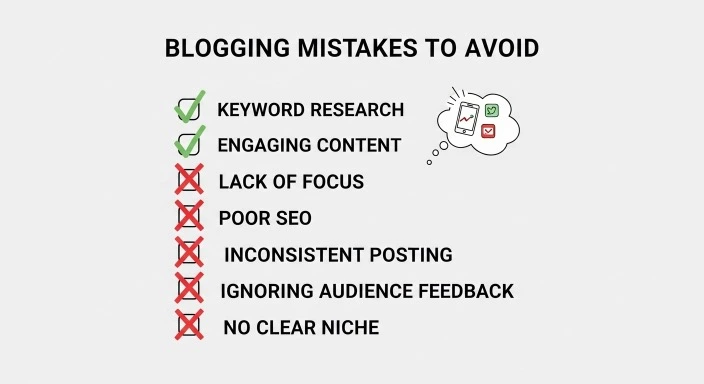
Avoid waiting for “the perfect moment”
It rarely comes.
Avoid comparing your output to others
Different schedules, different realities.
Avoid rewriting endlessly
Clarity matters more than polish.
Avoid over-researching
You don’t need to read everything before you write.
Who This Approach Is For (And Who It’s Not)
This is for you if:
- You’re busy but want consistency
- You prefer calm progress
- You want blogging to fit into real life
This may not fit if:
- You want to publish daily at all costs
- You expect writing to feel effortless immediately
- You’re chasing speed over sustainability
How This Fits Into Sustainable Blogging
Writing efficiently supports the bigger picture.
When you understand how blogging actually works, you realize that:
- One helpful post per week can compound
- Consistency beats intensity
- Sustainable habits outlast motivation
Writing less—but regularly—keeps blogging from becoming another source of stress.
Frequently Asked Questions
How long should a blog post take to write?
It varies, but many busy bloggers write posts over several short sessions instead of one long one.
Can short posts still be effective?
Yes, if they’re focused and helpful.
Is it okay to publish imperfect posts?
Yes. Clarity matters more than perfection.
How often should I write if I’m busy?
Even one post every one or two weeks can work if you stay consistent.
What if I lose momentum?
That’s normal. Adjust your pace instead of quitting.
Conclusion
Writing blog posts when you’re short on time isn’t about pushing harder.
It’s about simplifying decisions, reducing pressure, and letting blogging fit into your life—not compete with it.
If you can write a little at a time, with clear focus and realistic expectations, you’re already doing it right.
The goal isn’t to write faster.
It’s to write in a way you can keep up with.
Our Authority Sources
- Google Search Central – Official guidance on how websites and content are evaluated in search
- Moz Blog – Clear explanations of SEO, site structure, and long-term content growth
- Ahrefs Blog – Research-based insights into how blogs gain visibility and traffic
- Nielsen Norman Group – User experience research on clarity, usability, and cognitive load