

One of the most common questions new bloggers ask—often quietly—is this: “When a blog actually starts making money?”
Not in theory. Not in best-case scenarios.
But realistically, especially if you’re busy, learning as you go, and trying not to burn out.
If you’ve read stories promising fast income, it’s normal to feel confused or discouraged when your own blog isn’t earning yet. This article exists to replace that confusion with clarity.
Here’s a realistic, pressure-free timeline for when blogs usually start making money—and what’s happening behind the scenes at each stage.
First, What “Making Money” Actually Means
Before talking about timelines, it helps to define what making money means in blogging.
For beginners, income often shows up in stages:
- First signs of traction (clicks, impressions, engagement)
- Small earnings (a few dollars, then a few more)
- More consistent monthly income
- Long-term growth
Most blogs don’t jump straight to “real income.” They build gradually.
Understanding how blogging actually works helps here: blogging is a long-term system that compounds over time, not a switch that flips overnight.
Why Most Blogs Don’t Earn Money Right Away
It’s normal—and expected—for a blog to earn nothing at first.
That’s because:
- Search engines need time to discover and trust new sites
- Content needs time to rank and be found
- Readers need time to arrive consistently
- Monetization works best when trust already exists
Early blogging is about building foundations, not income.
A Realistic Blogging Income Timeline (What Most People Experience)

Months 0–3: Learning and Laying Groundwork
At this stage:
- Your blog is new or nearly new
- Content is being published consistently
- Traffic is minimal or nonexistent
- Income is usually zero
What’s actually happening:
- Search engines are discovering your site
- You’re learning how to write and structure posts
- Your site’s focus is becoming clearer
This phase is quiet—but important.
Months 3–6: First Signs of Movement
During this stage:
- Some posts may start getting impressions
- Traffic may increase slowly
- You might see your first clicks on links
- Income may still be zero—or very small
If monetization is set up gently, this is when:
- The first affiliate clicks happen
- Early ads may start showing
- You begin understanding what readers respond to
Progress here often feels subtle, but it’s real.
Months 6–12: Small but Meaningful Earnings
For many blogs, this is when income first feels “real.”
What this might look like:
- Consistent traffic to a few posts
- Small monthly earnings (often modest)
- Better understanding of what works
- Improved confidence and clarity
Income at this stage is rarely life-changing—but it’s proof the system works.
Blogs built calmly and consistently often see steady improvement here.
12+ Months: Stability and Growth (If Consistency Continues)
After a year of consistent effort:
- Traffic tends to be more predictable
- Monetization becomes clearer
- Income may grow more steadily
- Effort feels more focused, not scattered
This is when blogging often shifts from experiment to asset.
Growth is still gradual—but it’s more reliable.
Why Busy Bloggers Often Do Better Long-Term
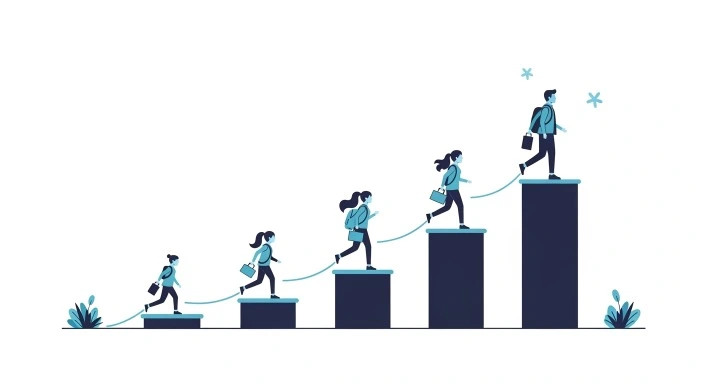
Ironically, bloggers with limited time often build healthier blogs.
Why?
- They focus on fewer, better posts
- They avoid burnout
- They make more intentional choices
- They don’t chase every trend
Writing blog posts when you’re short on time encourages clarity and sustainability—two things that support long-term income.
What Influences How Soon a Blog Makes Money
No two blogs follow the exact same timeline. A few factors matter more than others:
Topic clarity
Blogs with a clear focus tend to monetize sooner than scattered ones.
Content usefulness
Helpful, specific content builds trust faster than generic posts.
Platform stability
Using a platform that grows with you (as discussed in The Best Blogging Platform for Busy Beginners) reduces friction and supports monetization later.
Patience and consistency
Stopping and starting delays everything.
Common Expectations That Cause Unnecessary Stress
Many beginners feel discouraged because of unrealistic expectations.
Common ones include:
- Expecting income in the first few weeks
- Comparing early progress to established blogs
- Assuming silence means failure
- Believing effort should pay off immediately
None of these reflect how blogging actually works.
What to Avoid When Waiting for Income
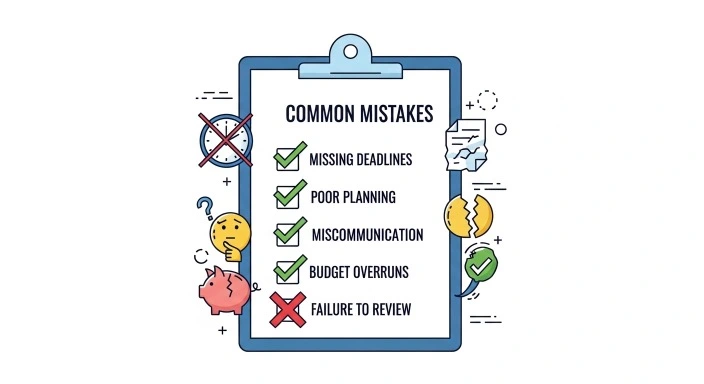
Avoid checking earnings constantly
This increases stress without changing results.
Avoid chasing shortcuts
They usually create more work later.
Avoid changing direction too often
Consistency helps search engines and readers trust your site.
Avoid assuming you’re behind
Most bloggers are exactly where they should be.
What You Can Do While Income Is Still Zero
The early months aren’t wasted.
They’re when you:
- Build strong content habits
- Learn what your audience needs
- Improve writing clarity
- Create a foundation for future earnings
Progress during this phase shows up later—not immediately.
Who This Timeline Is For (And Who It’s Not)
This article is for you if:
- You want realistic expectations
- You’re building a blog alongside real life
- You value sustainability over speed
- You prefer calm progress
This may not fit if:
- You expect immediate income
- You want high-pressure tactics
- You measure success only by money
Blogging rewards patience far more than urgency.
Frequently Asked Questions
How long does it usually take for a blog to make money?
Most blogs take several months before earning anything meaningful, and often closer to a year for consistency.
Is it normal to earn nothing at first?
Yes. This is the most common experience.
Can small blogs make money?
Yes, especially when content is focused and helpful.
Should I monetize right away?
Gentle monetization can start early, but income usually comes later.
What if my blog still isn’t earning after a year?
That’s a signal to review clarity, consistency, and content—not to quit immediately.
Conclusion
A blog usually starts making money later than people expect—but sooner than they fear.
Income doesn’t arrive all at once. It grows slowly, often quietly, alongside trust and consistency.
If you focus on building something helpful, clear, and sustainable, income becomes a byproduct—not a constant source of pressure.
The most important thing to remember is this:
earning takes time, but steady effort compounds.
Our Authority Sources
- Google Search Central – Explains how new sites are discovered and evaluated over time
- Moz Blog – Research-based insights into content growth and SEO fundamentals
- Ahrefs Blog – Data-driven explanations of how blogs gain traffic and revenue
- Nielsen Norman Group – User research on trust, clarity, and long-term engagement