

choose a blog topic when you love many things
If you love many things, choosing a blog topic can feel surprisingly hard.
You might enjoy wellness, productivity, food, personal growth, creativity, or learning new skills. Each interest feels meaningful. Each one could become a blog. And the moment you try to choose just one, you feel stuck.
This doesn’t mean you’re unfocused.
It means you’re curious — and thoughtful.
Many busy beginners and side hustlers delay starting a blog not because they lack ideas, but because they don’t want to choose wrong. They worry that picking one topic will limit them, box them in, or make them lose interest later.
This article exists to help you choose a blog topic without pressure, overthinking, or burnout — even if you love many things.
Why Having Many Interests Is Not a Problem
Before talking about how to choose, it’s important to clear something up:
Loving many things is not a flaw.
It’s not a weakness.
And it doesn’t mean you can’t blog successfully.
Many long-lasting blogs are built by people who:
- Are curious by nature
- Enjoy learning across topics
- Evolve over time
The issue isn’t having many interests.
The issue is trying to include all of them at once without structure.
As explained in How Blogging Actually Works (A Simple Explanation for Busy Beginners), blogs grow through clarity and consistency over time — not through immediate completeness.
Your job is not to capture everything you love.
Your job is to start somewhere sustainable.
Why Choosing a Blog Topic Feels So Heavy
Choosing a blog topic often feels heavier than it needs to because beginners attach big meanings to the decision.
Common fears include:
- “What if I get bored?”
- “What if I choose the wrong topic?”
- “What if I want to write about something else later?”
- “What if this doesn’t work?”
These fears make the decision feel permanent — even though blogging is flexible by nature.
In reality, most blogs evolve. Topics narrow, expand, or shift as the writer gains clarity.
You’re not choosing a lifetime identity.
You’re choosing a starting point.
The Difference Between a Blog Topic and a Blog Identity
One reason people get stuck is confusing these two things.
A blog topic is:
- What you focus on right now
- The lens you write through
- The problem you help readers with
A blog identity is:
- Your voice
- Your values
- Your way of thinking
Your identity can remain stable even if your topic evolves.
For example, BloggingWithoutBurnout.com isn’t about everything. It’s about blogging — but through a calm, realistic, energy-aware lens. That lens stays consistent even as specific articles change.
Step 1: Look for Overlap, Not Perfection

Instead of asking, “Which interest should I choose?” ask:
“Where do my interests overlap in a helpful way?”
For example:
- If you love wellness, routines, and learning → you might blog about sustainable habits
- If you love writing, organization, and calm systems → blogging or productivity might fit
- If you love food, health, and simplicity → a focused cooking or lifestyle angle may work
You’re not choosing one passion.
You’re choosing a connecting thread.
Step 2: Choose a Topic That Solves a Problem (Not Just a Passion)
Passion helps — but it’s not enough on its own.
A blog topic works best when it:
- Solves a specific problem
- Answers recurring questions
- Supports readers consistently
Instead of “I love many things,” think:
- “What do people often ask me about?”
- “What do I enjoy explaining?”
- “What feels useful, not just interesting?”
This approach reduces pressure and gives your blog direction.
If you’re unsure what blogging actually requires at this stage, What You Need to Start a Blog helps ground expectations.
Step 3: Ask This One Grounding Question
Here’s a helpful question that removes a lot of overthinking:
“What could I write about for the next 6–12 months without forcing it?”
You don’t need a topic that excites you forever.
You need one that feels stable enough for now.
If an idea feels:
- Heavy → it may not be sustainable
- Forced → it may create burnout
- Calm and interesting → it’s a good candidate
Busy beginners do best with topics that don’t require constant reinvention.
Step 4: Understand That You Can Contain Multiple Interests
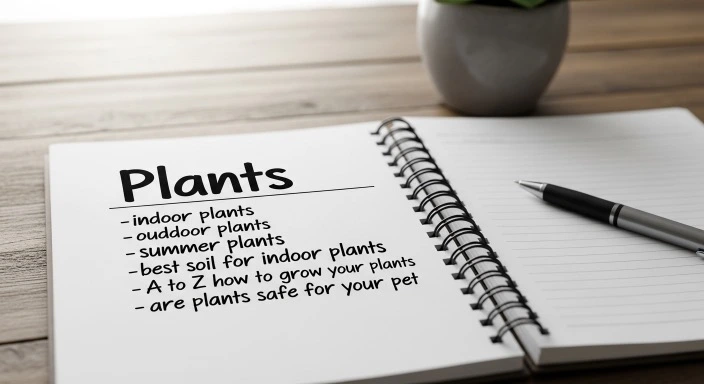
Choosing a blog topic does not mean ignoring your other interests forever.
You can:
- Keep a private idea list
- Save topics for future projects
- Use subtopics thoughtfully
- Evolve your focus later
Many bloggers who quit early do so because they try to include everything immediately.
As discussed in Why Most People Quit Blogging Within the First Year, overload — not lack of passion — is a common reason people stop.
Focus protects momentum.
Step 5: Choose Clarity Over Flexibility (At First)
Flexibility is valuable — but clarity comes first.
A clear blog topic helps:
- Readers understand what your blog is about
- Search engines understand your focus
- You know what to write next
Flexibility can be layered in later.
Think of your topic as a container, not a cage.
Common Topic Choices That Lead to Burnout
When you love many things, certain topic choices tend to create pressure.
Topics that are too broad
Example: “Lifestyle,” “Personal Growth,” “Everything I Love”
Topics that require constant expertise
Example: rapidly changing technical fields without boundaries
Topics chosen only for trends
Example: chasing what’s popular instead of what’s sustainable
Burnout often comes from maintaining a topic that doesn’t match your energy or life rhythm.
What to Avoid When Choosing a Blog Topic

Avoid choosing based only on income potential
Sustainability matters more early on.
Avoid copying someone else’s niche exactly
Your context is different.
Avoid waiting for perfect certainty
Clarity comes from doing, not deciding endlessly.
Avoid starting multiple blogs at once
Focus builds momentum.
If You Still Feel Torn Between Several Topics
If you’re stuck between two or three ideas, try this:
- Choose the one that feels easiest to write about this month
- Commit to it for 6–12 months
- Reevaluate later
Blogging rewards continuation more than perfection.
You are allowed to change direction later — especially once you understand what works for you.
How This Fits Into a Busy Life
If your life is already full, choosing a topic that feels natural matters even more.
As explained in Finding Time to Blog in a Busy Life, energy is as important as time. A topic that drains you will be hard to sustain — no matter how strategic it seems.
Choose something that fits your pace.
Frequently Asked Questions
Can I blog about more than one thing?
Yes — but it helps to connect those things through one clear lens.
What if I change my mind later?
That’s normal. Many blogs evolve.
Should I pick a niche I’m already an expert in?
Not required. You can grow alongside your audience.
Is choosing the wrong topic a big risk?
Usually no. Overcomplicating it is riskier than choosing imperfectly.
How narrow should my topic be?
Narrow enough to be clear, wide enough to stay interesting.
The Bottom Line
If you love many things, choosing a blog topic isn’t about giving something up.
It’s about choosing where to begin.
You don’t need the perfect topic.
You need a clear one.
And clarity creates momentum.
Pick something that feels calm, useful, and sustainable — and let your blog grow with you.
Our Authority Sources
- Google Search Central — Guidance on content clarity and topical focus
- Moz Blog — Research-backed insights into niche selection and SEO fundamentals
- Ahrefs Blog — Data-driven explanations of topical authority and content focus
- Nielsen Norman Group — Research on cognitive load, decision-making, and clarity