
Best blogging platform for busy beginners
Choosing a blogging platform shouldn’t feel like a life-altering decision.
Yet for many beginners, it does.
You search for advice and suddenly you’re drowning in options, comparisons, technical terms, and strong opinions. Some people insist there’s only one “right” choice. Others warn that picking the wrong platform will ruin everything.
If you’re busy, new to blogging, and trying to do this calmly, that kind of pressure doesn’t help.
This guide exists to do one thing: help you choose the best blogging platform for your real life, not an idealized one. No urgency. No hype. Just clear, realistic guidance so you can move forward without overwhelm.
What a “Good” Blogging Platform Actually Means for Busy Beginners
Before naming any platforms, it helps to define what good actually means — especially if you don’t have endless time or technical energy.
For busy beginners, the best blogging platform is one that:
- Is reliable and stable
- Doesn’t require constant technical fixes
- Is flexible enough to grow with you
- Doesn’t lock you into limitations too early
- Allows you to focus on writing, not troubleshooting
A good platform doesn’t need to be perfect.
It just needs to support consistency instead of draining it.
The Most Common Platforms Beginners Consider
Most beginners narrow their options to a few well-known choices:
- WordPress (self-hosted)
- Website builders (like Wix or Squarespace)
- Free blogging platforms (like Medium or Blogger)
Each of these exists for a reason — but they don’t all serve the same type of beginner.
Let’s look at them calmly and honestly.
WordPress (Self-Hosted): Why It’s Often the Best Long-Term Choice
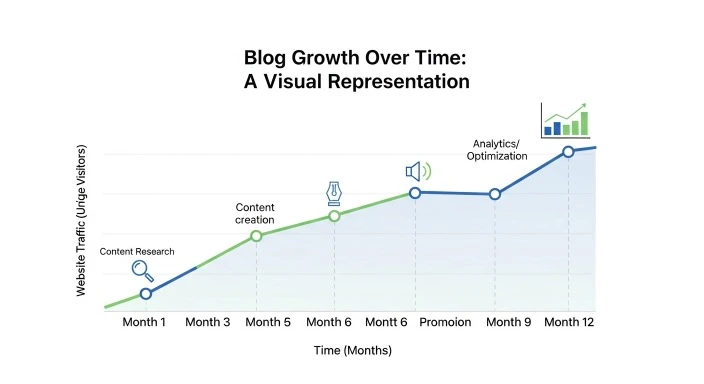
For many busy beginners, self-hosted WordPress turns out to be the best balance between flexibility and sustainability.
Why WordPress works well for beginners who want longevity
- You own your content
- You control how your site grows
- You can start simple and expand slowly
- You’re not locked into someone else’s rules
WordPress powers a large percentage of websites on the internet for a reason: it adapts as you learn.
You don’t need to use all its features at once. You can start with the basics and add complexity only when it makes sense.
What beginners often worry about with WordPress
It’s common to hear that WordPress is “too technical.”
In reality:
- Most technical setup happens once
- Many hosting providers simplify the process
- Daily blogging doesn’t require technical knowledge
For busy beginners, the learning curve is front-loaded, not constant.
Website Builders: Simple at First, Limiting Later
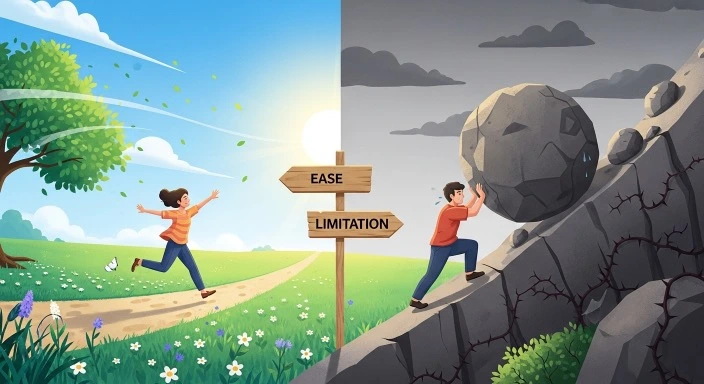
Website builders appeal to beginners because they look easy — and at first, they often are.
When website builders can make sense
Website builders can be a reasonable choice if:
- You want a very small, personal site
- You don’t plan to monetize
- You’re certain you won’t need flexibility later
They’re designed to feel intuitive and visual, which can reduce early anxiety.
Where website builders can become frustrating
Over time, many bloggers run into limitations:
- Restricted customization
- Fewer content management options
- Monetization limitations
- Less control over site structure
For busy beginners who want blogging to grow slowly, these limits can become stress points later.
Free Blogging Platforms: Why They Often Cause More Problems Than They Solve
Free platforms are tempting, especially when you’re unsure if blogging will stick.
But they come with trade-offs that aren’t always obvious at first.
The biggest downside of free platforms
- You don’t fully own your content
- Your reach and visibility can change suddenly
- Monetization options are limited or controlled
- You’re building on someone else’s rules
For people who want blogging to be a calm, long-term project, this lack of control can quietly add stress.
A Simple Comparison for Busy Beginners
Here’s a calm, big-picture comparison:
- WordPress (self-hosted): Best for long-term growth, flexibility, and ownership
- Website builders: Easy to start, but limited over time
- Free platforms: Low commitment, low control
There’s no moral “right” choice — only a practical one based on your goals.
Why Many Busy Beginners Eventually Choose WordPress
Even beginners who start elsewhere often move to WordPress later.
Why?
Because it allows you to:
- Go at your own pace
- Keep things simple at first
- Grow without rebuilding everything
- Monetize when and how you choose
That doesn’t mean you need to rush into it.
It just means WordPress is forgiving of slow, steady learning.
Common Mistakes Beginners Make When Choosing a Platform
Choosing based on fear
Fear of complexity often leads to short-term decisions that cause long-term stress.
Choosing based on hype
Platforms praised loudly online aren’t always the best fit for quiet, consistent builders.
Choosing based on what others did
Your time, energy, and goals matter more than trends.
Who This Is For / Who This Is Not For
This guide is for you if:
- You’re busy and want a sustainable option
- You value ownership and flexibility
- You prefer learning gradually
- You want blogging to fit into real life
This may not be for you if:
- You want instant results
- You don’t plan to grow or monetize at all
- You want zero learning curve of any kind
What Matters More Than the Platform Itself
The platform doesn’t make a blog successful.
What matters more is:
- Consistency
- Clarity
- Patience
- Focus
A “good enough” platform used calmly beats a “perfect” platform used anxiously.
If you understand how blogging actually works, the platform becomes a tool — not a source of pressure.
(You can revisit the foundational explanation on how blogging works if you need reassurance.)
What to Do Next (Without Overwhelm)
You don’t need to decide everything today.
A calm path forward looks like this:
- Choose a platform that allows growth
- Set it up simply
- Focus on learning, not perfection
The next step is understanding how to set things up without stress, not mastering every feature.
Frequently Asked Questions
Is WordPress too hard for beginners?
No. Most beginners learn what they need gradually and ignore the rest.
Can I change platforms later?
Yes, but it’s easier to start with flexibility than to move later.
Do I need to pay to blog?
Self-hosted platforms require some cost, but they offer more control and stability.
What if I choose wrong?
No choice ruins your blogging future. Most issues are fixable.
Should I start now or wait until I’m sure?
Waiting for certainty often creates more stress than starting calmly.
The Takeaway
The best blogging platform for busy beginners is the one that reduces friction instead of creating it.
For many people, that’s a platform that offers ownership, flexibility, and room to grow — without demanding constant attention.
You don’t need to rush this decision.
You just need a choice that lets you move forward calmly.
Once you’ve chosen a platform, the next step is learning how to use it without turning blogging into another source of pressure.
Our Authority Sources
- Google Search Central – Official guidance on how websites and content are evaluated in search
- Moz Blog – Clear explanations of SEO, site structure, and long-term content growth
- Ahrefs Blog – Research-based insights into how blogs gain visibility and traffic
- Nielsen Norman Group – User experience research on clarity, usability, and cognitive load